Cultivating a Change-Ready Culture – Strategies for Change Professionals
Birkbeck University and Change Management Institute Research Project 2025: Session 1
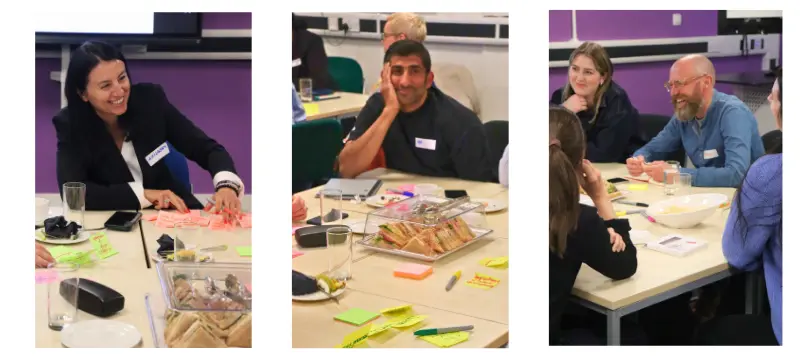
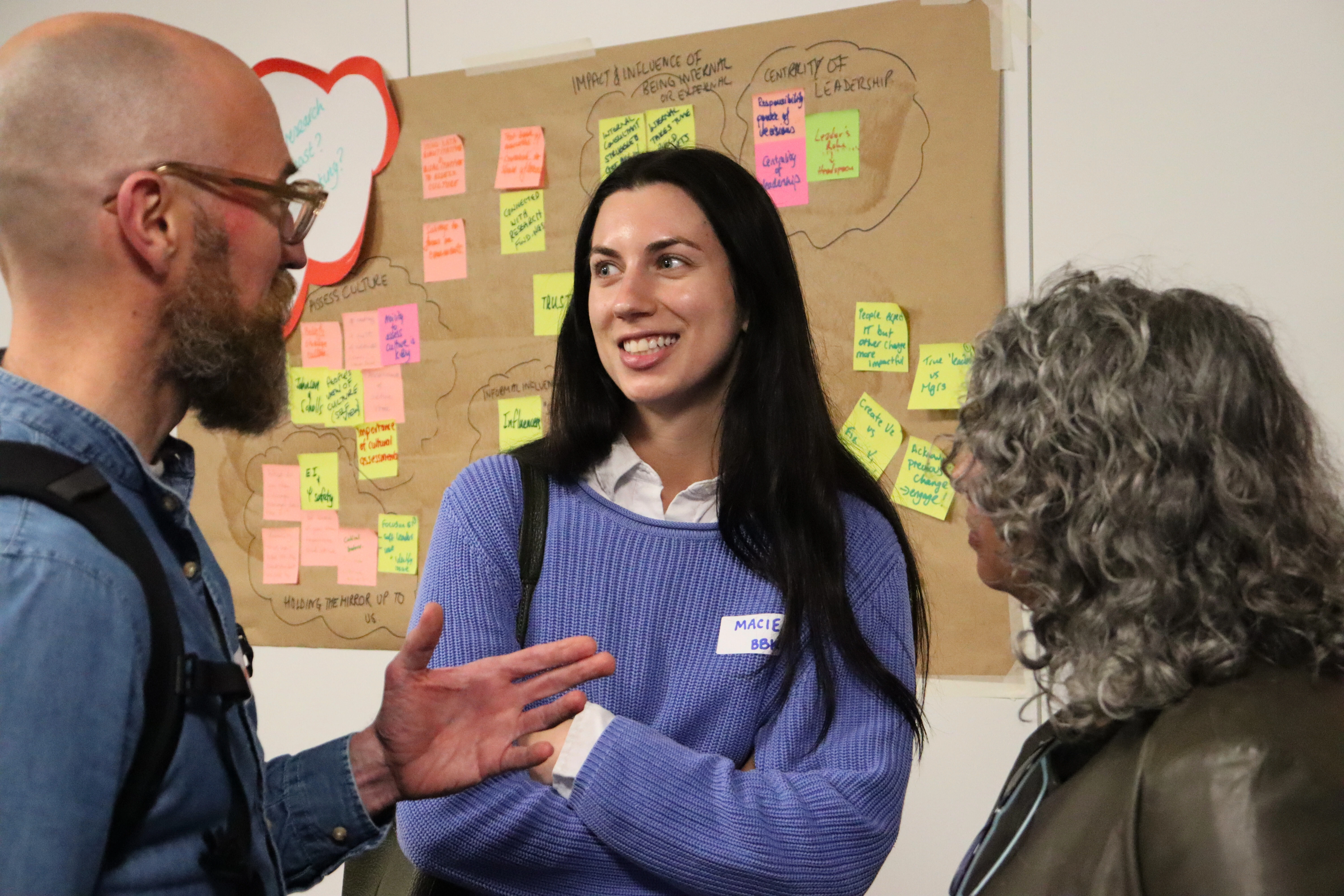
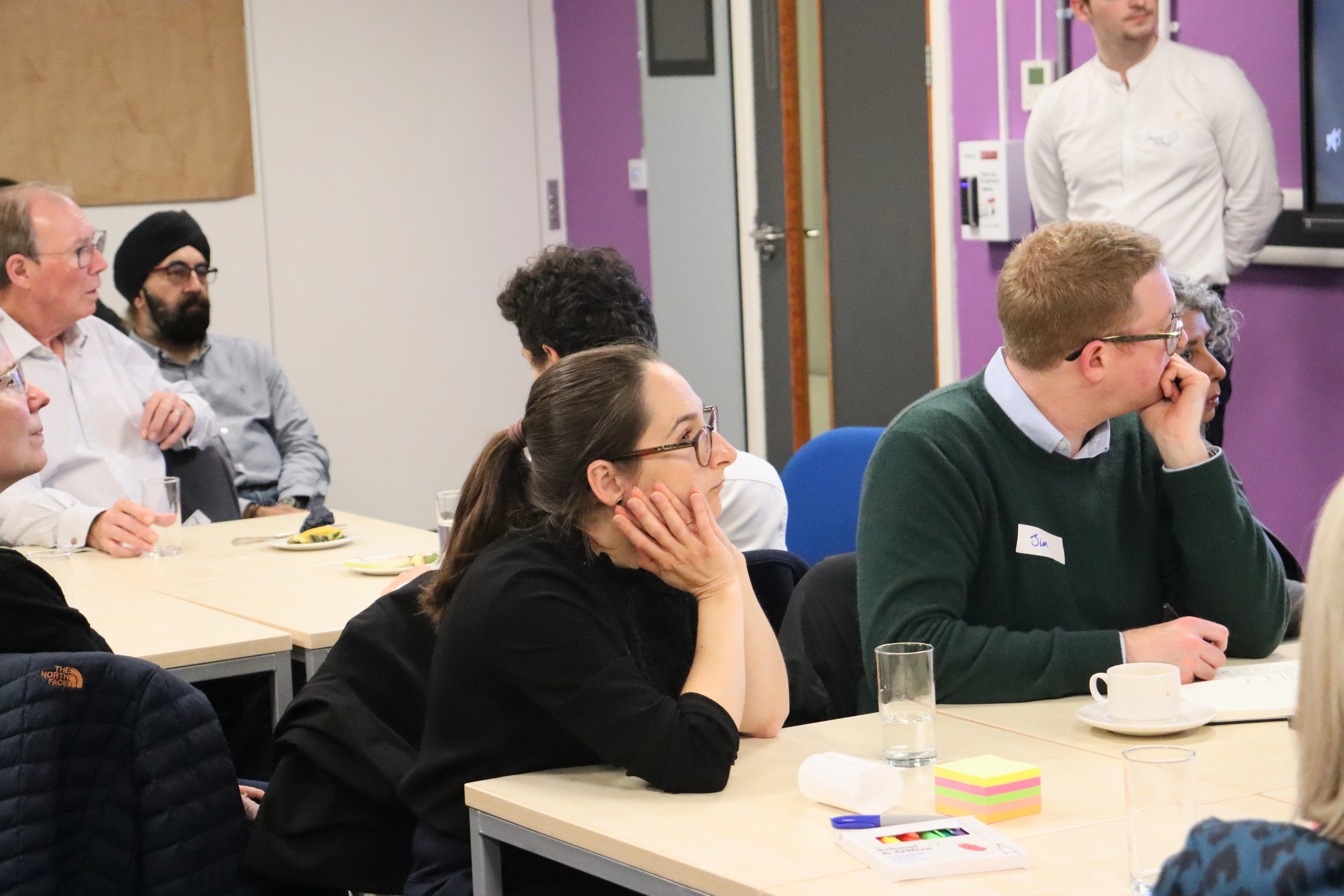
On Wednesday, 21st May, the London Chapter hosted the first of three in-person events at Birkbeck University, London, to hear from Students on the outcomes of their research topic; 'How can change professionals influence the development of an organisational culture that supports change?' This question set the stage for a lively discussion in a World Cafe style, fostering an environment of shared experiences and learnings.
In this event summary, our volunteers Philippa Leggetter and Daria Skibinska share:
- Key Research Findings
- Key Themes from the World Cafe discussions.
Key Research Findings
Students spoke with a cross section of Change Professionals with key themes emerging on how to support a change ready organisational culture:
1. Cultural Awareness
Understanding and assessing the current organisational culture is crucial. This involves recognising the gap between individual and organisational perceptions of culture and acknowledging the impact of past experiences and beliefs on the culture.
2. Leadership & Key Influencers
Effective leadership is central to driving cultural change. Leaders must be equipped with change management skills and demonstrate humility and Emotional Intelligence. Identifying and engaging key influencers within informal networks can significantly impact the success of change initiatives. The role of both internal and external change consultants was explored, highlighting the unique advantages each brings to influencing organisational culture.
3. Creating Psychological Safety
Fostering an environment of Psychological Safety is vital for encouraging open communication and innovation. This involves creating spaces where employees feel safe to express ideas and concerns without fear of negative consequences. Empathy and emotional intelligence play a critical role in building such an environment, enabling employees to engage fully and contribute to cultural transformation.
Key Themes from World Cafe discussion
The topic generated lively discussion across the attendees who discussed the findings against two questions.
In the first World Café discussion, participants delved into the question;
'What emerged from this research that has struck you the most and what connections are you making?'
The conversation revealed several key themes:
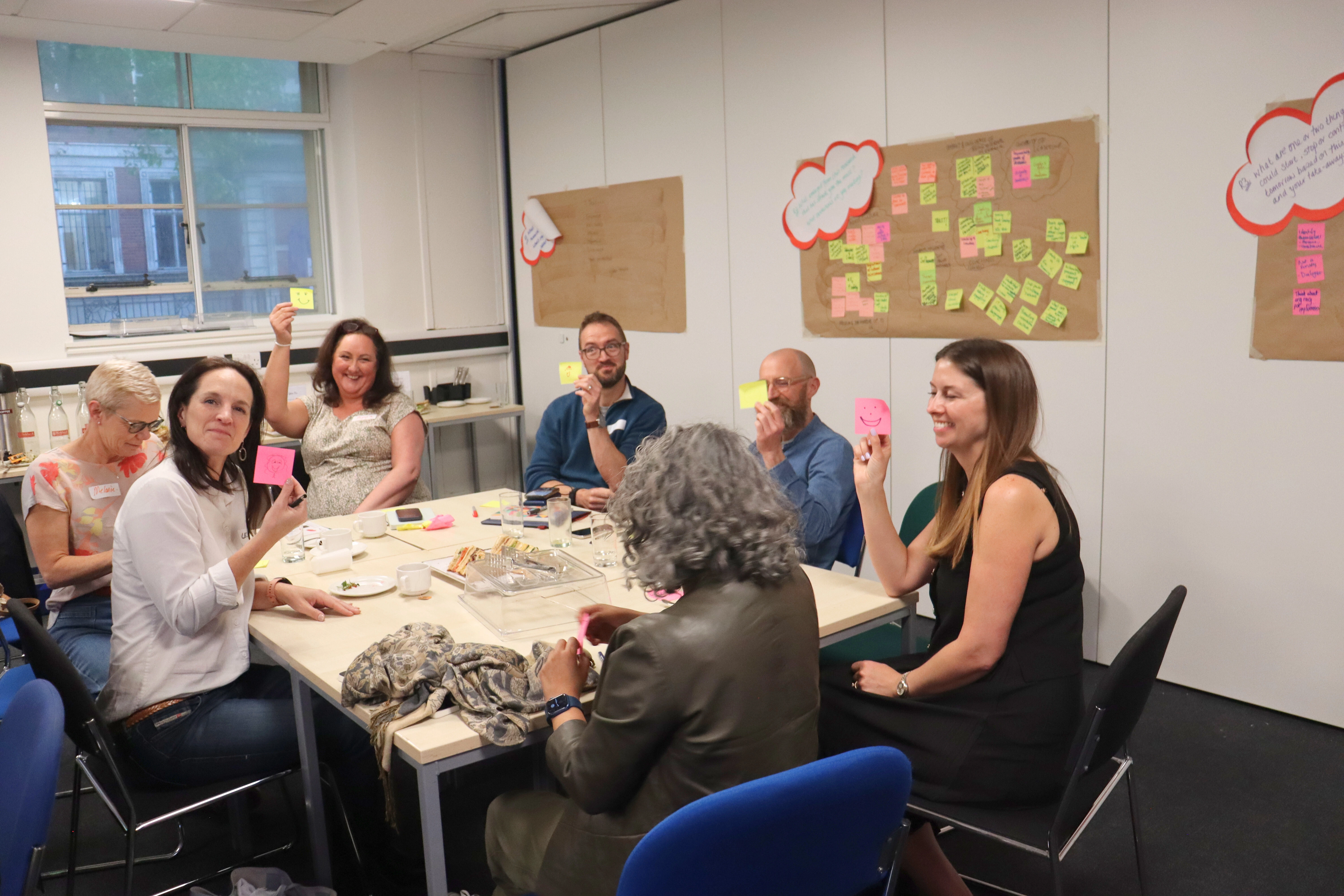 The assessment of organisational culture, with references to models like Johnson and Scholes. Participants noted the significance of understanding how individual perceptions of culture may differ from the organisational view and how past influences shape current beliefs. The ability to conduct thorough cultural assessments was seen as a means to frame cultural elements.
- The role of informal influencers, or the "soft power network”. Social connections should not be underestimated, and informal conversations often provide more genuine insights than formal surveys. Identifying key influencers within these networks can greatly impact change initiatives. Engaging with these networks can help breed a culture of innovation.
- The importance of coaching leaders in change management. Leadership was discussed as a choice that can emerge from anywhere within the organisation, highlighting the distinction between leaders and managers and the need to engage them effectively.
- The influence of being internal or external to an organisation, noting that while externals may gain quicker insights, internals often have deeper organisational knowledge but may face challenges in gaining change management buy-in.
- The centrality of leadership was highlighted, with leaders holding the responsibility and power to drive cultural change. Participants noted that leadership involves not just creating change but also framing it in a way that resonates with the organisation.
Reflecting on the second World Café discussion;
'What are the one or two things you could 'Stop / Start / Continue' to do tomorrow based on this research and your takeaways?'
Participants identified several actionable strategies:
START
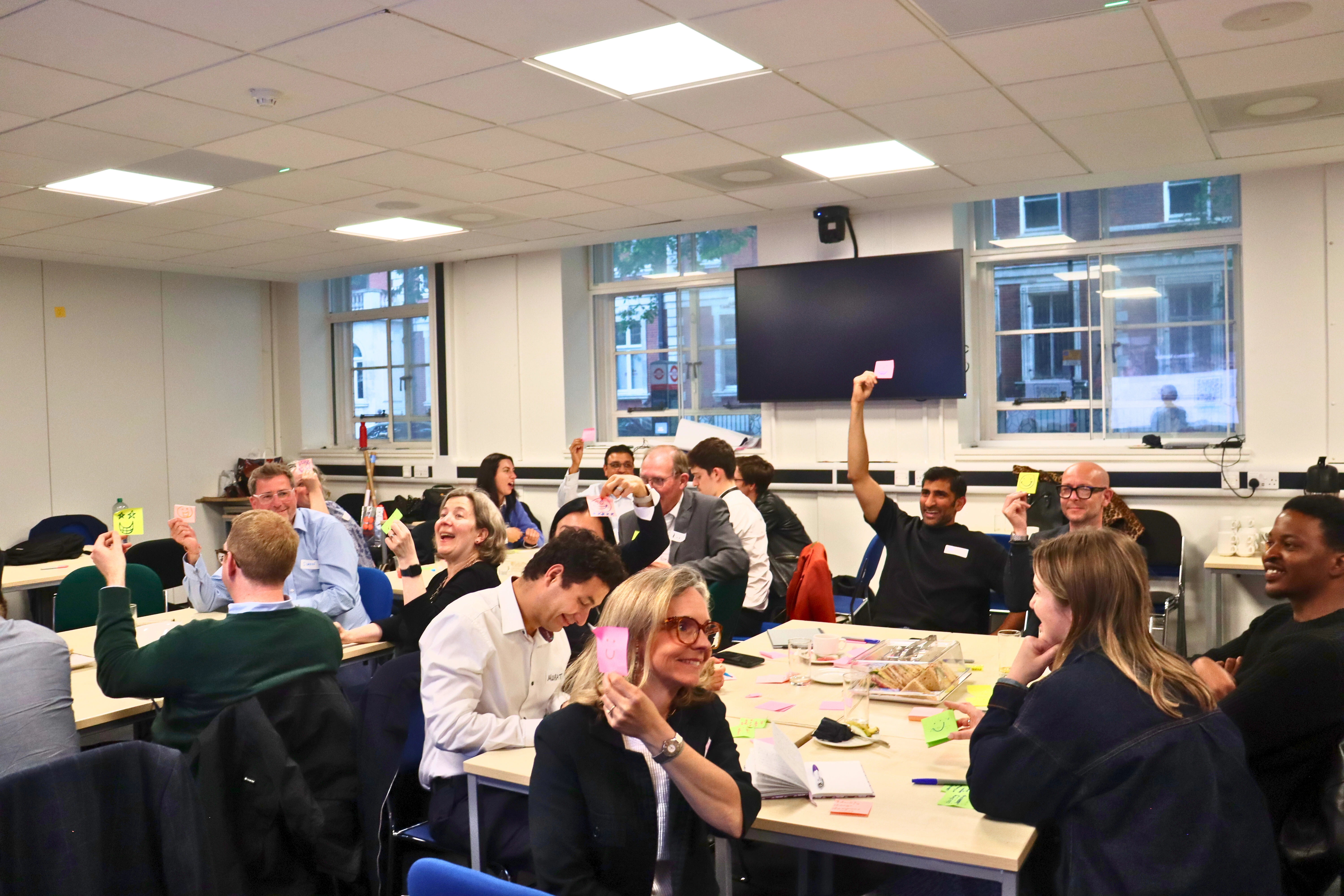 Many participants had not considered cultural assessments focusing more on change impact assessments and saw this as an area to explore.
- Encouraging leaders to model and advocate for effective change management practices and determining the conditions necessary for successful cultural change.
- Exploring the internal ‘informal networks’ and tracking the key influencers, along with having open discussions about potential risks and concerns.
- Prioritising leadership coaching and shifting the focus from purely digital initiatives to cultural transformation.
STOP
- The discussion highlighted the importance of redirecting attention from executive leaders to middle managers, who often play a crucial role in implementing change.
- There was a strong recommendation to replace impersonal surveys with meaningful conversations to foster a more inclusive understanding of cultural dynamics.
CONTINUE
- Maintaining empathy and emotional intelligence was seen as essential for supporting individuals in challenging roles continuing the creation of safe spaces for conversations.
The event was a resounding success, bringing together change professionals to learn and share strategies for fostering supportive organisational cultures.
View the presentation slides here